How the Hamas–Israel Conflict Is Shaping the Future of the Middle East
LEAD:
The war that erupted on October 7, 2023, was not merely another violent episode in the long and tragic history of the Middle East. It marked a turning point—a moment that will shape the collective memory and identity of Israelis, Palestinians, and the entire region for decades.
In its shadow, new generations are being born: children of trauma, adults of disillusionment, and leaders of moral dilemmas—those who will decide whether the Middle East becomes a land of vengeance or a space of renewal.

____________________________
1. A War That Crossed Every Border
On October 7, 2023, Hamas carried out the most brutal assault in modern Israeli history. Hundreds of civilians were slaughtered in their homes, in kibbutzim, and at the Nova music festival—places of peace turned into sites of horror.
Israel’s military response—massive airstrikes and ground operations in Gaza—has left tens of thousands of Palestinians dead and millions displaced.
But this war is more than a military campaign. It is a war over morality, memory, and the future—a struggle that will shape how children are raised, how young people will think, and what kind of moral compass the next generation of leaders will carry.
“The Middle East is not only a battlefield. It is a laboratory of memory.” — Tel Aviv debate, November 2024
____________________________
2. The Generation of Trauma – Children of War on Both Sides
In Israel
Children who survived the October 7 attacks witnessed death, kidnappings, and destruction firsthand. They now live with the constant sound of sirens and the unshakable fear that home is no longer safe. Psychologists already speak of an “October 7 trauma” — a new psychological scar that may define their adulthood, just as the Holocaust marked earlier generations.
For many Israeli families, this war is a second rupture of innocence, a painful reminder that security, even in a strong nation, can vanish in a single morning.
In Gaza
Children in Gaza have known nothing but siege, war, and loss. They grow up amid rubble, without electricity, clean water, or functioning schools. For them, survival is not a metaphor—it is the curriculum of life.
Sociologists refer to them as the “Generation of ruins.” Without external help and education, they may grow into adults fueled by despair rather than hope. But with the proper support, they could one day become the first generation of peace.
____________________________
3. The Generation of Disillusionment – Adults in the Age of Cynicism
In Israel, the 25–45 age group—the high-tech, post-conflict generation that believed in progress and security—was struck by a devastating realization: the system failed. The myth of invincibility collapsed. Trust in leadership, the military, and even the idea of unity was shaken.
This generation now wrestles with questions once unthinkable: Can a nation win a war and still lose its soul?
Among young Palestinians, there is a mirror sense of hopelessness. They no longer believe in Hamas or the Palestinian Authority, yet they see no alternative. Borders, checkpoints, and poverty confine their lives.
It is a generation trapped between anger and resignation, longing not for freedom, but for a sense of normalcy.
____________________________
4. The Generation of Decision–Leaders Between Ethics and Survival
For Israel’s political and military elite, this war became a test of moral endurance. Israel—long proud of its ethical standards in warfare—now faces accusations, dilemmas, and global scrutiny. The question is not only how to defeat Hamas, but how to remain human while doing so.
On the Palestinian side, leadership has lost nearly all credibility. Hamas, claiming a “moral victory,” has led its people into an unprecedented humanitarian catastrophe.
Meanwhile, Arab governments—especially Saudi Arabia, the UAE, and Egypt—must decide whether to continue the path of normalization with Israel or to return to the rhetoric of resistance. This is the generation of decision-makers, the one that holds in its hands the moral future of the region.
____________________________
5. The Generation of Media and Diaspora – The New War of Narratives
This is the first Middle Eastern war to be fought not only on the ground but also on screens. On campuses, in newsrooms, and across social media, the narrative itself has become a weapon.
A single image can redefine the roles of the victim and the aggressor within a matter of hours
“This is the first war streamed live to millions of phones. History is no longer written—it is broadcast.” — Israeli sociologist, University of Haifa
Jewish and Palestinian diasporas are locked in parallel emotional universes—each side fighting for the moral high ground, each convinced that the world refuses to hear its pain.
It is a digital generation of polarization, where empathy rarely crosses the algorithmic divide.
____________________________
6. The Regional Generation – Between Solidarity and Modernization
The Hamas–Israel war reshaped the psychology of the Arab world. In Saudi Arabia, the UAE, and Bahrain, many young Arabs raised amid modernization and reform no longer view Palestine as a sacred political cause, but as a tragedy that holds the region hostage to the past.
At the same time, the suffering in Gaza has reignited emotional solidarity among Arab youth in Jordan, Lebanon, and Egypt. This tension between empathy and pragmatism may give rise to a new generation of realists—young Arabs who seek progress through technology, education, and cooperation rather than ideology.
____________________________
7. The Generation of the Future – Memory Without Hatred
The children of 2023 will come of age in the 2030s and 2040s. They will inherit a divided world—but also the possibility to rebuild it. The question is whether their education will teach them to remember with empathy rather than vengeance. Reconciliation will not begin in peace conferences, but in classrooms.
If reconstruction, dialogue, and human stories replace propaganda, this could become the first generation of memory without hatred.
“Peace does not begin when guns fall silent. Peace begins when children stop drawing tanks.” — Palestinian teacher, Deir al-Balah
____________________________
8. Conclusions – A Region Between Memory and Hope
The Hamas–Israel war is not just another chapter in a conflict. It is the birth of a new moral and generational reality.
Israelis must rebuild trust. Palestinians must rebuild leadership and hope. Arab societies must choose between nostalgia and modernity. And the global West must learn to listen before it judges.
The Middle East, like postwar Europe, will either learn to live with its trauma—or continue to repeat it. The question that defines this generation is simple yet profound:
“Can we build a future where remembering war does not mean reliving it?“
Author’s Note:

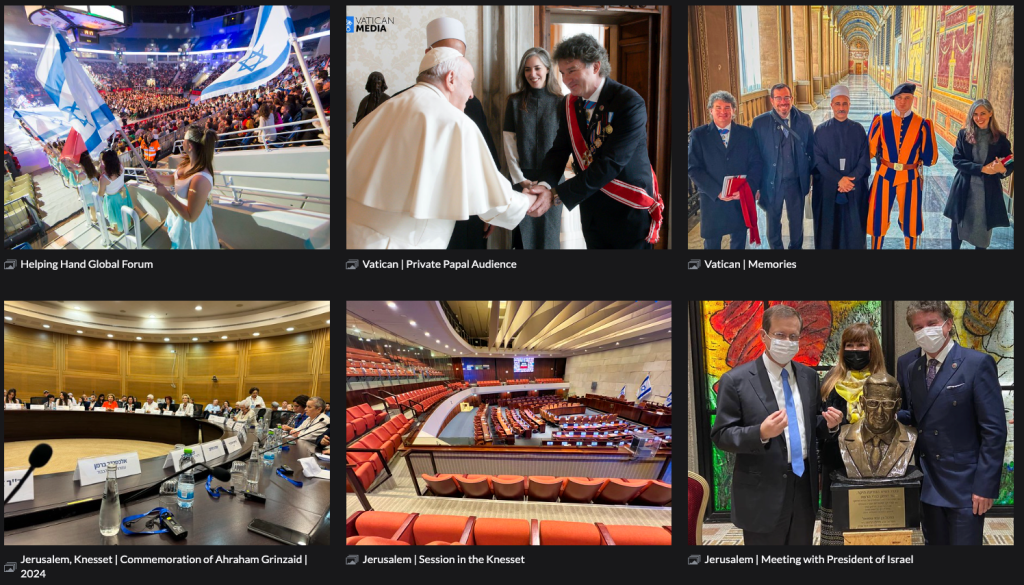
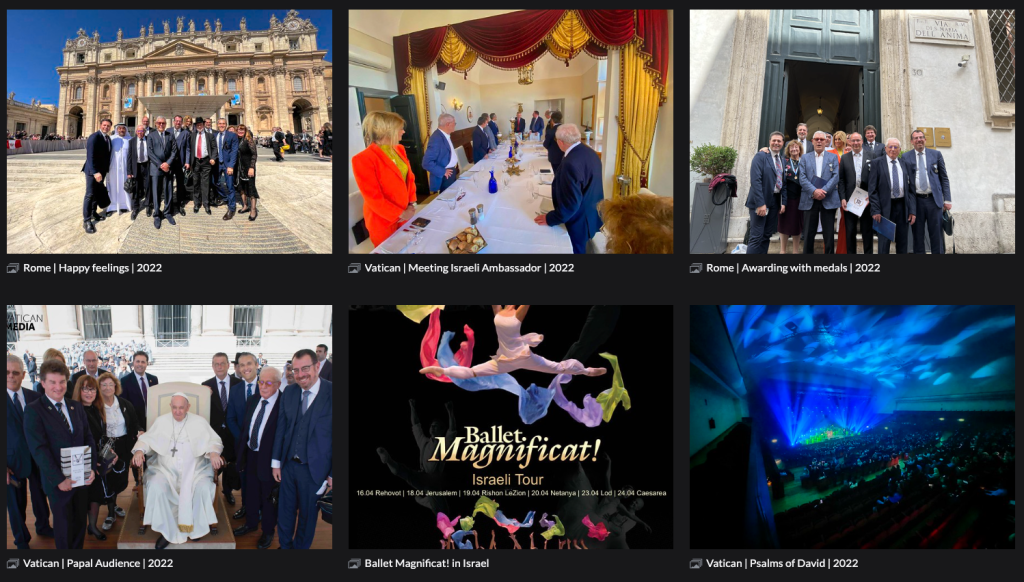
Dr. Andrzej Gasiorowski – geopolitical analyst and humanitarian strategist, founder of Helping Hand Global Forum.
He has worked across Israel, Europe, and the Middle East on educational and relief initiatives and regularly contributes to discussions on Israeli–Palestinian relations, moral leadership, and post-conflict reconstruction.
Categories: Israel